
Featured Soviet Jewry Books
These books bring to life the extraordinary stories of the Soviet Jewry movement, celebrating the bravery, resilience, and unity that carried a people from oppression to liberation.
Is there a must-read we missed? Share your book recommendation so we can keep expanding this resource together.
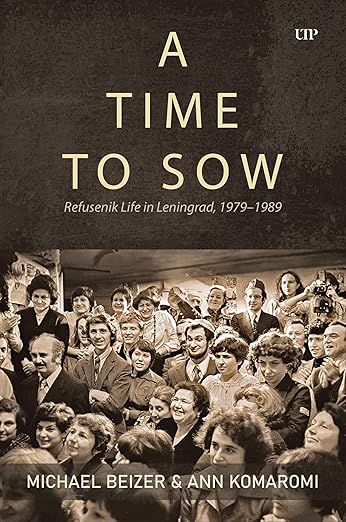
A Time to Sow offers an intimate look at the unofficial Jewish life that flourished underground in 1980s Leningrad, where “refuseniks” denied exit visas built a resilient and tightly knit community. Despite constant surveillance and persecution, they supported imprisoned activists, welcomed visiting allies, taught Hebrew, celebrated holidays, shared samizdat texts, and nurtured Jewish learning and culture in private spaces. Drawing on archival materials, historical analysis, and personal testimonies, Michael Beizer and Ann Komaromi illuminate a little-known yet powerful chapter of Russian Jewish history—one defined by quiet resistance, mutual support, and the determination to preserve identity under oppression.
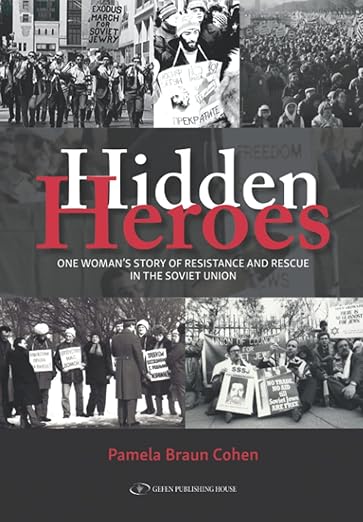
Hidden Heroes is a vivid, deeply personal memoir chronicling the modern exodus of Soviet Jews and the grassroots movement that made it possible. Spanning nearly thirty years, the book highlights the bravery of refuseniks across the Soviet Union as they discovered their identity, protested oppression, endured trials and labor camps, and fought for the right to live freely. At the same time, it honors the “army of students and housewives” in the West who championed their cause with relentless dedication. Through intimate portraits and firsthand experiences, this powerful narrative by Pamela Braun Cohen preserves a vital chapter of Jewish history and celebrates the moral courage that united people across continents in the fight for freedom.
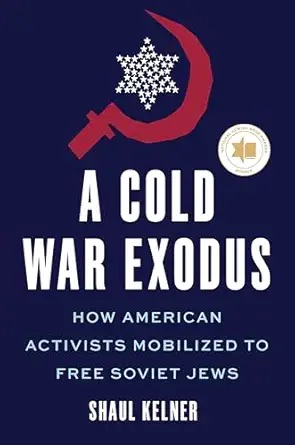
A Cold War Exodus uncovers the remarkable grassroots movement that united Jewish Americans in a decades-long fight to free Soviet Jews from systemic antisemitism. Through creativity and relentless determination, activists transformed everyday culture—from celebrities and fashion to sports and holiday rituals—into powerful tools of mass mobilization when policymakers failed to act. Drawing on extensive archival material, Shaul Kelner traces how ordinary citizens, traveling tourists, and committed organizers built one of the most effective human rights campaigns of the Cold War, ultimately helping to secure a historic mass emigration. This compelling account highlights the extraordinary impact of unity, ingenuity, and unwavering commitment to justice.

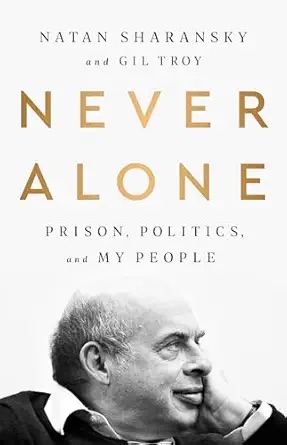
Fear No Evil is Natan Sharansky’s powerful memoir of his arrest, show trial, and decade-long imprisonment in the Soviet gulag for his political activism and desire for freedom. Written by a man whose temperament and intellect mirror that of ordinary readers, the narrative vividly portrays life inside an oppressive system while revealing the inner strength that sustained him—courage, humor, imagination, and an unbreakable sense of personal dignity. With a new introduction reflecting on Sharansky’s later role as an Israeli leader and liaison to the former Soviet Union, this book remains a timeless testament to human rights, resilience, and the ability of the powerless to stand firm against tyranny.
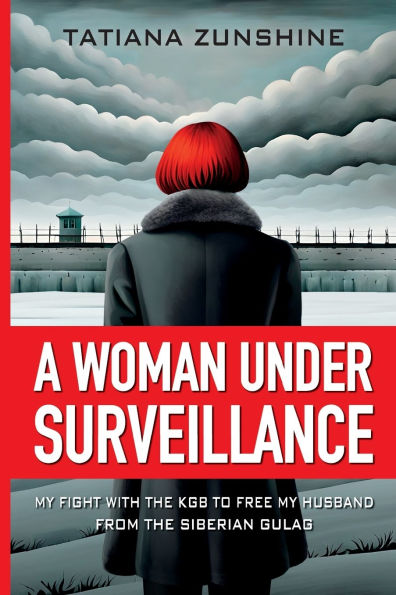
A Woman Under Surveillance is a gripping memoir that follows Tatiana Zunshine’s courageous battle against the Soviet KGB to free her husband, Zach, after he is unjustly imprisoned in a Siberian Gulag for demanding the right to emigrate. Told decades later, Tatiana recounts a harrowing journey marked by abductions, interrogations, violence, and constant surveillance, as she fights relentlessly through prisons, protests, and hunger strikes. Despite the overwhelming power of the Soviet system, the couple’s resilience, love, and determination ultimately lead to victory. This true story is both a tense political thriller and an inspiring testament to courage in the face of oppression.
Some links are Amazon affiliate links, which means we may earn a small commission—at no cost to you.